

Atlantic Circulation Collapse: Northern Europe Faces Potential Ice Age Scenario. ESG Broadcast Shares Key Takeaways.
Key Extract
Iceland officially designated the potential collapse of the Atlantic Meridional Overturning Circulation (AMOC) as an existential threat to its people and future prosperity. This unprecedented declaration marked the first time a specific climate-related phenomenon was brought before the National Security Council for immediate and serious national assessment. Government authorities viewed the AMOC collapse, a dramatic shift in ocean currents, as a direct risk to national security and long-term resilience. Immediate governmental preparations were initiated following this serious announcement about changing oceanic circulation patterns and their potential fallout.
The AMOC operates as a critical planetary system, transporting vital warm tropical waters toward the colder Arctic regions, thus significantly moderating the climate across much of Northern Europe. Its complete shutdown would abruptly cut off this essential ocean heat supply, potentially triggering a dramatic and dangerous modern-day Ice Age scenario for vulnerable surrounding regions. This massive environmental shift promised dangerously severe cold temperatures and devastatingly harsher winter conditions for millions of people. Scientists specifically warned of increased ice cover and widespread heavy snowfall across the entire northern European landmass.
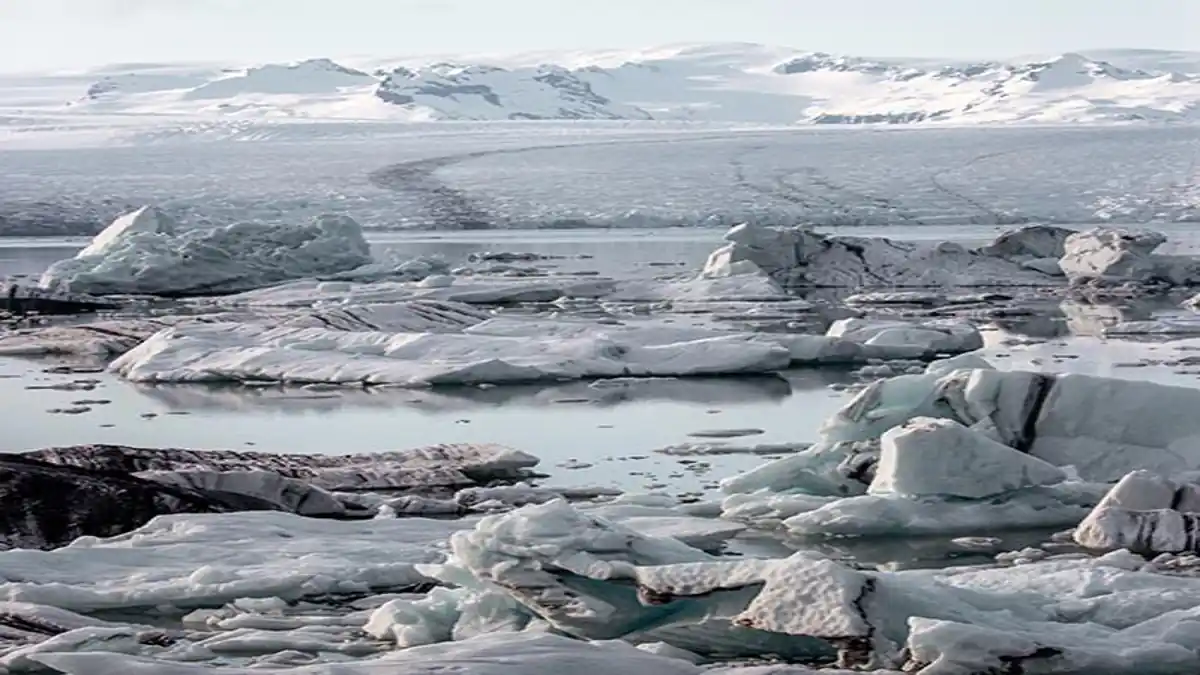
Climate scientists reported that the AMOC, considered a crucial climate tipping element, already began visibly weakening due to accelerated melting of the massive Greenland ice sheet. One influential study analyzing vast historical oceanic data found early warning signals of the system’s impending loss of resilience first started manifesting prominently around the year 1970. Researchers projected the most likely transition period for the dramatic oceanic circulation shift in the North Atlantic basin. The potential transition window for a complete AMOC shutdown was projected to occur sometime between the years 2037 and 2109.
Various Icelandic ministries immediately commenced preparations for the severe national eventualities arising from the expected devastating lack of warm tropical water distribution in the future. This essential work involved assessing the urgent need for further comprehensive scientific research and developing a new disaster preparedness policy across all key national sectors. The immediate key risks identified included significant national food insecurity and decreased agricultural yields from changing weather conditions. Energy generation, along with crucial sea-based transportation across the North Atlantic, faced substantial operational and infrastructural challenges.
Strategic significance lies in the move forcing other Northern European nations to seriously re-evaluate the unprecedented risk posed by ocean current instability within their national climate adaptation plans and security frameworks. Norway’s environment ministry, for instance, indicated it was seeking to deepen its understanding of the AMOC issue through dedicated new research before making a formal security classification announcement. Iceland’s resolute declaration instantly set an international political and policy precedent for handling high-impact, low-probability climate events globally. It effectively elevated the critical long-term issue of climate change to an immediate and urgent security priority requiring tangible preparatory action worldwide.