Community health initiatives and grassroots public health programs demonstrate measurable social impact — ESG BROADCAST shares key takeaways.
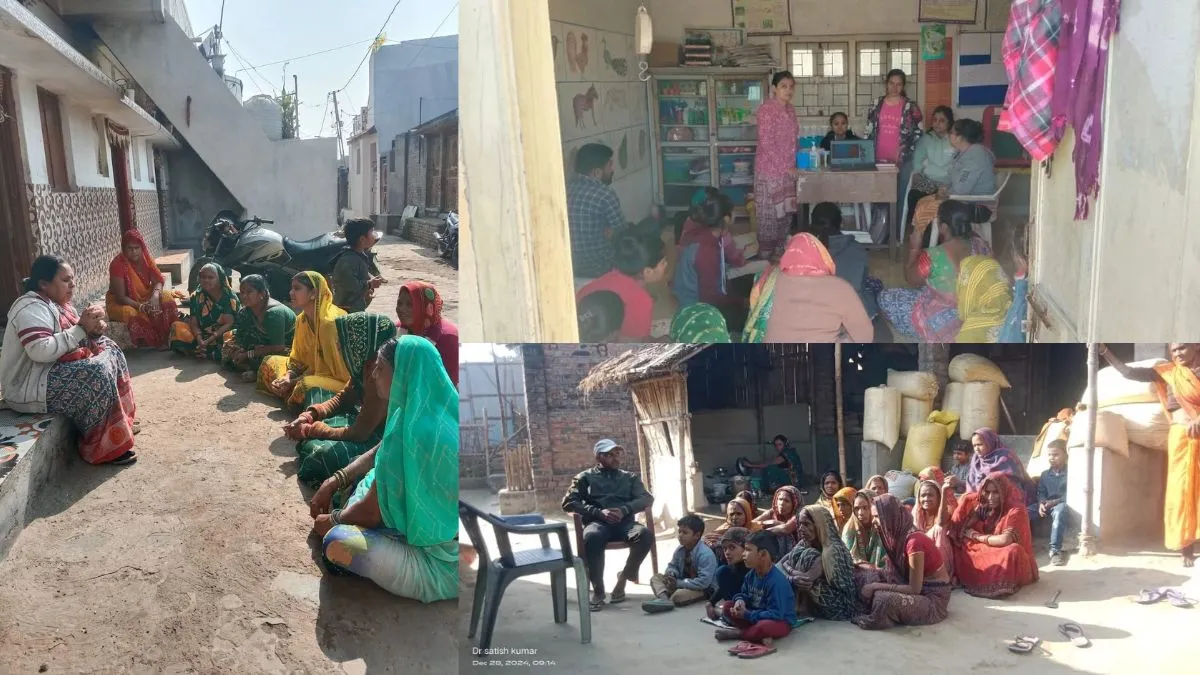
India is witnessing a significant grassroots public health intervention with the Sevak Project, a small but impactful initiative bringing breast cancer screening to rural communities. Since early 2025, the project has reached over 300 women across more than 30 villages in Gujarat, Bihar, and Tamil Nadu. The initiative is led by US-based medical professional Thakor Patel and focuses on training rural women in early detection techniques, including self-examination and awareness of warning signs.
The program follows a structured approach, conducting training sessions in local languages such as Gujarati, Hindi, and Tamil. Female coordinators lead the workshops, supported by male volunteers to encourage participation, ensuring cultural sensitivity and accessibility. This methodical training model has already led to the early identification of advanced breast cancer in Mehsana district, demonstrating tangible, life-saving outcomes.
Beyond cancer awareness, the Sevak Project integrates broader public health components. Screening also includes checks for diabetes and hypertension, while telemedicine support enables remote consultations. The program provides medical infrastructure, including insulin-safe refrigerators where required, ensuring continuity of care. By addressing multiple health challenges concurrently, the Sevak Project exemplifies an effective, small-scale ESG initiative delivering measurable community benefits.
The initiative demonstrates strong collaboration between local communities, medical professionals, and non-profit partners. Its model of deploying localized, culturally aware health training highlights how small organizations can fill gaps in healthcare access in underserved regions. The adoption of scalable training tools and community-based monitoring ensures sustainability and replicability of results across other rural districts.
Strategic significance lies in the model’s ability to integrate public health, social empowerment, and ESG principles effectively. For corporate partners and ESG investors, this highlights opportunities to support grassroots interventions that deliver measurable outcomes, enhance community resilience, and improve health equity. Policymakers can leverage such initiatives to strengthen preventive healthcare frameworks in rural regions, while global development agencies can replicate similar programs in other low-resource contexts, demonstrating that targeted ESG investments at the grassroots level can yield significant social returns.