• Broadcast Your Story I
  • About Us I
  • Advisors and Contributors Network I
  • Check Us At
Friday, June 5, 2026
No Result
View All Result
ESG BROADCAST
  • ESG BROADCAST
  • ESG MOVERS
  • ESG FINANCE
  • ESG STANDARDS
  • ESG EVENTS
  • ESG REGULATIONS
  • ESG BROADCAST
  • ESG MOVERS
  • ESG FINANCE
  • ESG STANDARDS
  • ESG EVENTS
  • ESG REGULATIONS
ESG BROADCAST
  • LINKEDIN
  • ESG BROADCAST
  • ESG MOVERS
  • ESG FINANCE
  • ESG STANDARDS
  • ESG REGULATIONS

Nigeria: Launching the National Carbon Market Framework

Vedanshi SinghbyVedanshi Singh
16th January 2026
in ESG BROADCAST
Reading Time: 3 mins read
A A
Nigeria: Launching the National Carbon Market Framework
Share on LinkedInShare on Twitter

Net Zero Transition and Green Finance: ESG BROADCAST shares key takeaways.

President Bola Tinubu officially launched Nigeria’s National Carbon Market Framework at the 2026 Abu Dhabi Sustainability Week, signaling a major shift in the country’s climate strategy. This milestone marks the formal entry of Africa’s largest economy into the Global Carbon Market with a robust regulatory structure. The framework aims to mobilize significant climate finance by monetizing emission reductions across various sectors including energy, agriculture, and forestry. By creating a transparent path for carbon trading, the government seeks to decouple economic growth from fossil fuel dependency.

The newly activated framework is anchored on the National Carbon Market Activation Policy and the recently established National Carbon Registry. These tools are designed to improve the reporting, issuance, and verification of carbon credits to meet international standards. Nigeria expects this initiative to generate between $2.5 billion and $3 billion in annual revenue over the next decade. The government’s proactive approach ensures that domestic projects are ready to participate in the Global Carbon Market through high-integrity credit generation.

Strategic industrial sectors such as renewable energy, clean cooking, and reforestation are the primary targets for project development under the new rules. The National Council on Climate Change has already received over 3,000 project applications, demonstrating strong interest from private developers. By formalizing these mechanisms, Nigeria is opening clear pathways for foreign direct investment into its green infrastructure. This move aligns with the country’s updated Nationally Determined Contributions and its broader commitment to the Global Carbon Market objectives.

The administration also unveiled a Climate and Green Industrialisation Investment Playbook to guide private capital toward sustainable manufacturing. Nigeria aims to unlock up to $30 billion annually in climate finance to support its massive energy transition requirements. This ambitious financial goal is supported by the operationalization of the National Climate Change Fund and the 2023 Electricity Act. These reforms prioritize decentralized energy access for rural and underserved communities, ensuring that the transition is both inclusive and economically productive.

International partnerships play a central role in this strategy, as evidenced by the new Comprehensive Economic Partnership Agreement signed with the United Arab Emirates. This agreement facilitates deeper cooperation in renewable energy, logistics, and climate-smart infrastructure between the two nations. Furthermore, the World Bank is currently implementing a $750 million program to expand clean electricity access to millions of Nigerians. Such collaborations are vital for integrating Nigeria’s emerging carbon ecosystem into the wider Global Carbon Market valued at over $200 billion annually.

Strategic significance lies in the institutionalization of carbon as a formal asset class, which provides Nigeria with a predictable revenue stream to fund its 2060 net-zero goals. By establishing the National Carbon Registry, the country reduces the risk of double-counting and enhances investor confidence in the quality of its environmental assets. For the private sector, this framework transforms emissions reduction from a compliance burden into a viable business opportunity with global reach. Ultimately, this policy shift positions Nigeria as a regional hub for green finance and a leader in African climate governance.

Image Credit: Nationalupdate.ng
Want to have fortnightly ESG Headlines?

You’ve been successfully subscribed to our newsletter!

Tags: #This Week in ESGCarbon CreditCarbon CreditsClimateClimate ChangeEnvironmentESGESG BROADCASTESG RegulationsSustainability
ShareTweetSend
Vedanshi Singh

Vedanshi Singh

Science communicator passionate about climate change, ESG, and sustainability, blending psychology with communication for impact.

RELATEDCONTENT

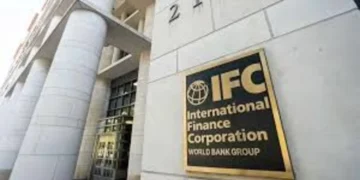
Peru Receives Strategic IFC Support for Financial Inclusion and Climate Resilience

7th May 2026
Peru Receives Strategic IFC Support for Financial Inclusion and Climate Resilience

The IFC has launched a major financial initiative in Peru to drive financial inclusion and climate-resilient growth through the private...

Read moreDetails

International Sustainability Standards Board Agrees on Proposed Way Forward for Nature-Related Disclosures

6th May 2026
International Sustainability Standards Board Agrees on Proposed Way Forward for Nature-Related Disclosures

The ISSB has agreed on the next steps for its nature-related disclosure standards, signaling a major expansion of the global...

Read moreDetails

FRAS Canada Highlights SASB Standards as Key Resource for Global Sustainability Reporting

5th May 2026
FRAS Canada Highlights SASB Standards as Key Resource for Global Sustainability Reporting

FRAS Canada has updated its SASB Standards resources to help organizations align with global financial materiality and sustainability disclosure benchmarks....

Read moreDetails
Next Post
World Economic Forum: Geoeconomic Confrontation Tops Global Risks Report 2026

World Economic Forum: Geoeconomic Confrontation Tops Global Risks Report 2026

LATEST BROADCAST

Peru Receives Strategic IFC Support for Financial Inclusion and Climate Resilience

7th May 2026

International Sustainability Standards Board Agrees on Proposed Way Forward for Nature-Related Disclosures

6th May 2026

FRAS Canada Highlights SASB Standards as Key Resource for Global Sustainability Reporting

5th May 2026

African Union Endorses Continental Frameworks for Sustainable Transport and Energy Transition

4th May 2026

India Proposes Central Motor Vehicles (Amendment) Rules, 2026 to Support Green Fuels

3rd May 2026

Financial Conduct Authority Invites ESG Rating Providers to Join Reporting Pilot Program

1st May 2026

Want to have fortnightly ESG Headlines?

You’ve been successfully subscribed to our newsletter!

Check Us At Twitter

Tweets by ESGBROADCAST

Contact Us

Thank you for your interest in ESG BROADCAST. Please complete this form to discuss how we can help your organisation.
Please enable JavaScript in your browser to complete this form.
Name *
Loading
ESG BROADCAST - Latest ESG News, Headlines and Updates

©ESG BROADCAST info@esgbroadcast.com Promoted by JointValues ESG Services

Know More

  • Broadcast Your Story
  • About Us
  • Advisors and Contributors Network
  • Career
  • Publication Policy and Content Guidelines
  • Privacy Policy
  • Contact Us

Follow Us

Welcome Back!

Login to your account below

Forgotten Password?

Retrieve your password

Please enter your username or email address to reset your password.

Log In

Add New Playlist

No Result
View All Result
  • About Us
  • Broadcast Your Story
  • Advisors and Contributors Network
  • Career
ESGB ESGBLogo