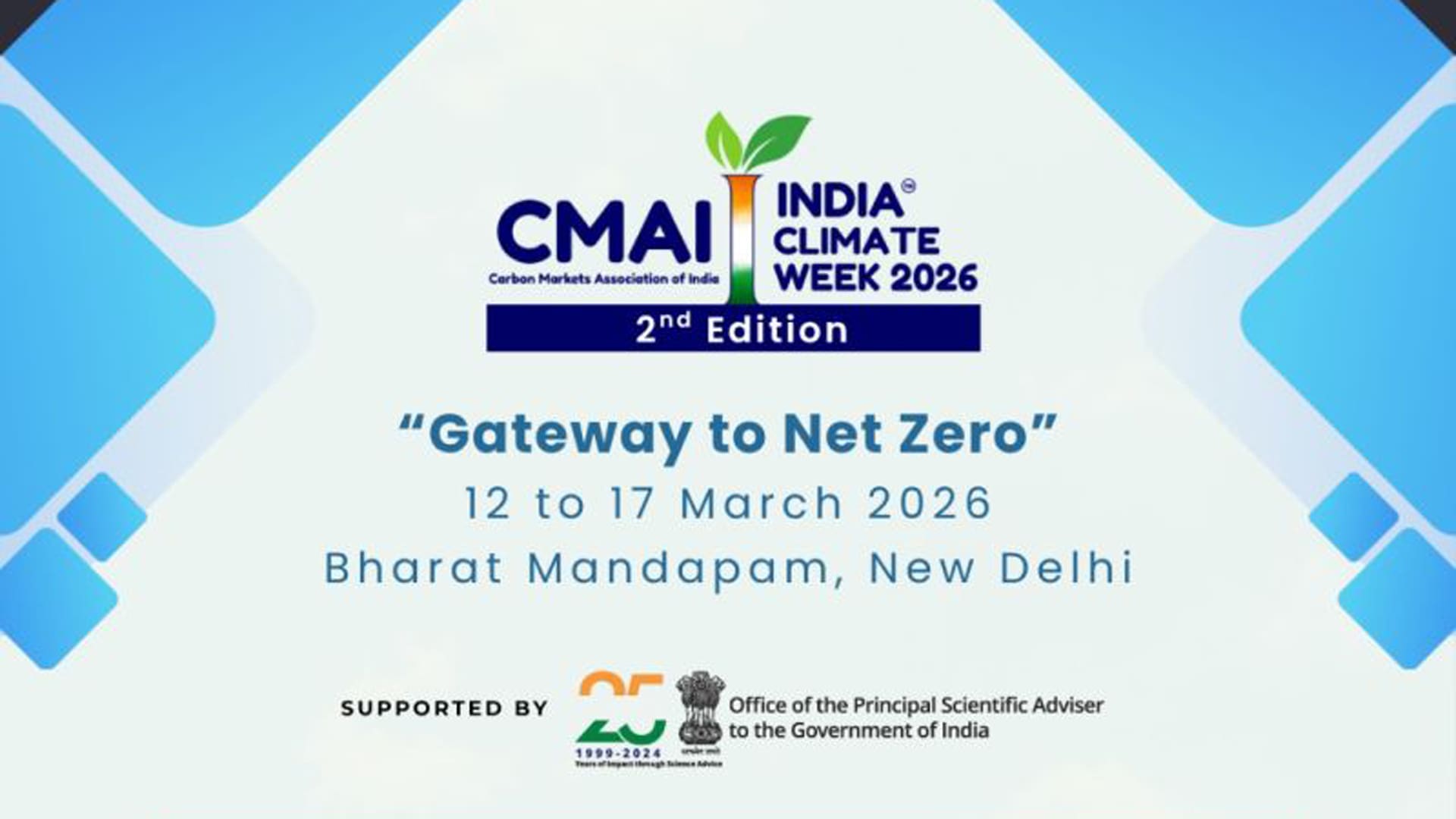
Climate Partnerships and Net Zero Commitments take centre stage as ESG BROADCAST shares key takeaways.
India Climate Week 2026 has emerged as a pivotal platform to strengthen global climate partnerships and accelerate the net-zero agenda. Hosted with participation from policymakers, corporates, financial institutions, and sustainability leaders, the event highlighted India’s expanding role in shaping international climate action. The focus keyword, India Climate Week 2026, reflects a coordinated push to align domestic climate ambitions with global frameworks and cross-border collaborations.
The event commenced with high-level dialogues emphasizing climate finance, technology transfer, and capacity building. Stakeholders discussed pathways to bridge the climate investment gap, particularly in emerging economies. India Climate Week 2026 facilitated strategic partnerships between Indian institutions and global climate bodies, reinforcing commitments under international agreements such as the Paris Agreement. These engagements signal a shift toward implementation-focused climate action rather than policy intent alone.
A key development during India Climate Week 2026 involved the announcement of new collaborative initiatives targeting renewable energy expansion, green hydrogen adoption, and decarbonization of hard-to-abate sectors. Industry leaders outlined actionable roadmaps to achieve net-zero targets, with defined milestones for 2030 and 2050. The event also showcased innovative financing mechanisms, including blended finance models and sustainability-linked instruments, aimed at mobilizing private capital at scale.
The participation of multilateral organizations and global investors further strengthened the credibility of India Climate Week 2026 as a global climate convergence platform. Discussions centered on regulatory alignment, ESG disclosures, and the integration of climate risk into financial decision-making. Indian regulators and industry bodies reiterated the importance of standardized reporting frameworks to ensure transparency and comparability across markets.
In addition, India Climate Week 2026 emphasized the role of technology and data in driving climate outcomes. Digital solutions for carbon tracking, climate analytics, and supply chain decarbonization received significant attention. Startups and technology providers presented scalable solutions that can support both corporate sustainability strategies and national climate goals. This integration of innovation highlights India’s potential to act as a hub for climate-tech development.
Strategic significance lies in the ability of India Climate Week 2026 to translate global climate commitments into actionable business strategies and regulatory pathways. The event strengthens compliance expectations around ESG disclosures, accelerates investment flows into sustainable sectors, and positions India as a key player in global climate governance. For businesses, it signals a clear shift toward measurable net-zero targets and increased accountability, while for investors, it reinforces the importance of aligning portfolios with climate-resilient and sustainable growth trajectories.