Biodiversity Conservation and Sustainable Land-Use Governance: ESG BROADCAST shares key takeaways.
The Ministry of Environment, Forest and Climate Change (MoEFCC) has issued a draft notification to designate an Eco-Sensitive Zone (ESZ) around the Satkosia Gorges Sanctuary in Odisha. Published in the Gazette of India on March 27, 2026, the proposal exercises powers under the Environment (Protection) Act, 1986, to create a protective buffer around one of India’s most significant riverine ecosystems. The sanctuary, which encompasses the majestic gorge of the Mahanadi River, is a vital habitat for endangered species, including the gharial, mugger crocodile, and freshwater turtles, as well as serving as a critical corridor for elephant and tiger populations.
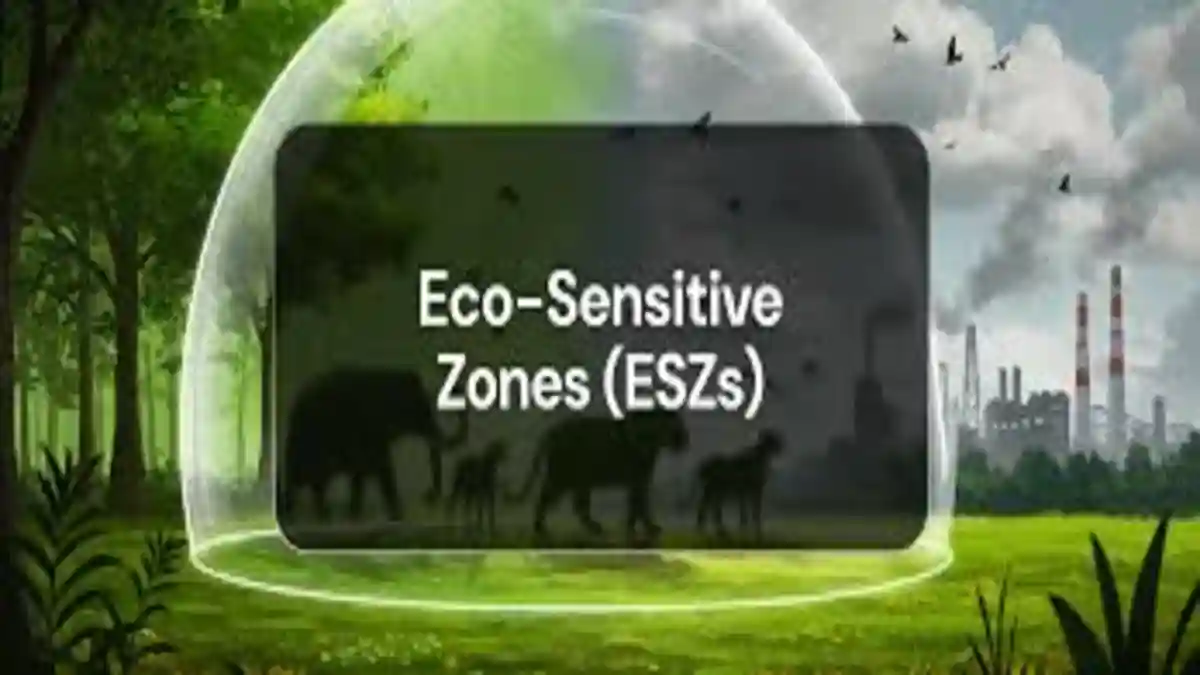
The draft notification defines the extent and boundaries of the ESZ, which aims to regulate human activity to prevent ecological degradation. Under the proposed framework, the ESZ will act as a “transition zone” where high-impact industrial activities are prohibited, while sustainable local practices are encouraged. Specifically, the notification prohibits new polluting industries, commercial mining, and the establishment of large-scale hydroelectric projects within the zone. By restricting these activities, the government seeks to maintain the hydrological integrity of the Mahanadi gorge and protect the surrounding deciduous forests from fragmentation.
A central requirement of the notification is the preparation of a “Zonal Master Plan” by the State Government of Odisha within two years. This plan must be developed in consultation with local communities and relevant state departments to integrate conservation with local developmental needs. The Master Plan will categorize land use and prohibit any change of land use from green uses (such as agriculture or horticulture) to non-green uses, except for essential public utility services. Furthermore, the notification mandates the promotion of eco-tourism through a dedicated Tourism Master Plan, ensuring that tourism activities are low-impact and contribute to the socio-economic upliftment of the 200+ revenue villages listed within the zone.
The implementation and monitoring of the ESZ will be overseen by a high-level Monitoring Committee, chaired by the District Collector. This committee is tasked with ensuring compliance with the prohibited and regulated activities listed in the notification. For the corporate and infrastructure sectors, the declaration of an ESZ necessitates a rigorous review of any proposed projects in the vicinity of Satkosia. Environmental Impact Assessments (EIAs) for projects near the boundary will now face heightened scrutiny regarding their potential impact on the sanctuary’s core biodiversity.
Strategic significance lies in “landscape-level” conservation in one of India’s key biological hotspots. For businesses and investors, the draft notification serves as a critical “early warning” for land-use restrictions and regulatory hurdles in the region. Compliance with the upcoming Zonal Master Plan will be a prerequisite for any operational presence near the sanctuary. By establishing these clear boundaries, the MoEFCC is reinforcing the “G” in ESG—governance through proactive spatial planning—to ensure that India’s economic growth does not come at the expense of its irreplaceable natural heritage.
Image Credit: PadhAI.ai