• Broadcast Your Story I
  • About Us I
  • Advisors and Contributors Network I
  • Check Us At
Thursday, April 23, 2026
No Result
View All Result
ESG BROADCAST
  • ESG BROADCAST
  • ESG MOVERS
  • ESG FINANCE
  • ESG STANDARDS
  • ESG EVENTS
  • ESG REGULATIONS
  • ESG BROADCAST
  • ESG MOVERS
  • ESG FINANCE
  • ESG STANDARDS
  • ESG EVENTS
  • ESG REGULATIONS
ESG BROADCAST
  • LINKEDIN
  • ESG BROADCAST
  • ESG MOVERS
  • ESG FINANCE
  • ESG STANDARDS
  • ESG REGULATIONS

IEA-IFC Report Calls for Ramping Up Clean Energy Investments in Emerging and Developing Economies

Vedanshi SinghbyVedanshi Singh
23rd June 2023
in ESG BROADCAST
Reading Time: 3 mins read
A A
IEA-IFC Report Calls for Ramping Up Clean Energy Investments in Emerging and Developing Economies
Share on LinkedInShare on Twitter

A new report released by the International Energy Agency (IEA) and the International Finance Corporation (IFC) reveals that annual investments in clean energy in emerging and developing economies must more than triple, from $770 billion in 2022 to as much as $2.8 trillion by the early 2030s, in order to meet growing energy demands and align with the climate objectives outlined in the Paris Agreement.

The report, titled “Scaling Up Private Finance for Clean Energy in Emerging and Developing Economies,” highlights the insufficiency of public investments alone in achieving universal energy access and addressing climate change. It emphasizes the importance of leveraging private sector capital in partnership with increased public funding through blended finance to mitigate project risks. According to the report, two-thirds of the finance for clean energy projects in emerging and developing economies (excluding China) should come from the private sector. The current annual private financing of $135 billion for clean energy in these economies needs to reach up to $1.1 trillion within the next decade.

The IEA’s Executive Director, Fatih Birol, stresses the urgency of rapidly scaling up private financing, as public financing alone falls short of meeting the investment needs. This increased private financing offers numerous benefits, including expanded energy access, job creation, industry growth, enhanced energy security, and a sustainable future.

The report calls for greater international support in terms of technical, regulatory, and financial assistance to unlock the clean energy potential in emerging and developing economies. Strengthening regulatory frameworks, energy institutions, and infrastructure, and improving access to finance can help overcome current barriers to clean energy investments, such as high upfront costs and capital expenses.

IFC’s Managing Director, Makhtar Diop, underscores the need to mobilize private capital quickly and on a large scale to address energy demands and emission reduction goals in emerging and developing economies. The report serves as a call to action and provides a roadmap for meeting both climate and energy objectives.

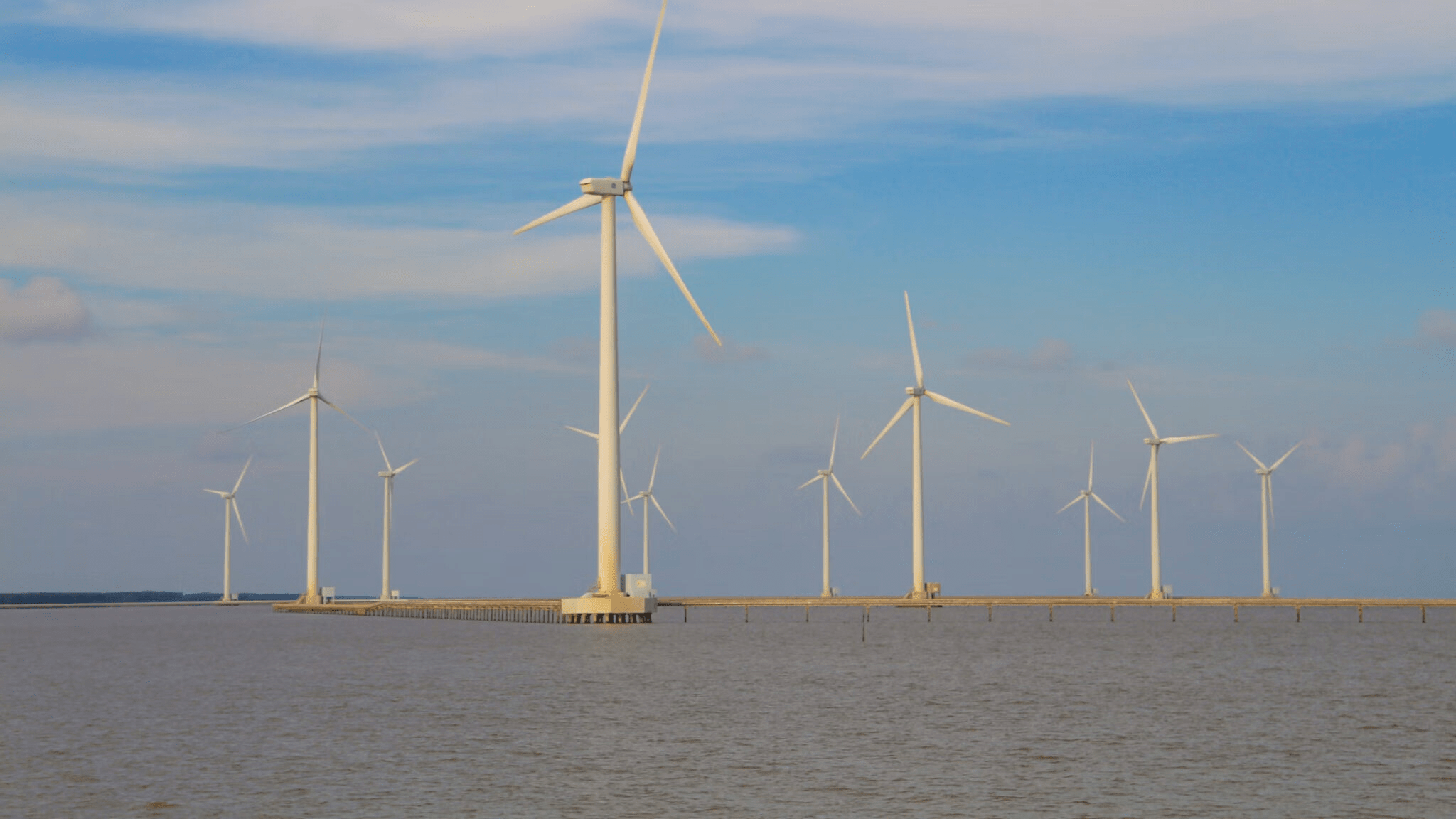
Concessional financing is identified as crucial for projects involving newer technologies that have yet to scale or are not cost-competitive in many markets, such as battery storage, offshore wind, renewable-powered desalination, low-emissions hydrogen, or projects in riskier markets. The report estimates that $80 billion to $100 billion of concessional finance will be required annually by the early 2030s to attract the necessary private investment for the energy transition in emerging and developing economies outside China.

The report also highlights the potential of issuing green, social, sustainable, and sustainability-linked bonds, provided industry guidelines, harmonized taxonomies, and reliable third-party certification are established. It emphasizes the opportunity presented by platforms that aggregate and securitize multiple investments, bridging the gap between the relatively small size of energy transition projects in emerging and developing economies and the minimum investment size required by major institutional investors.

Policy reforms in emerging and developing economies are essential to expanding opportunities for private investors. Addressing cross-cutting policy issues, such as fossil fuel subsidies, lengthy licensing processes, land use rights uncertainties, restrictions on private or foreign ownership, and inadequate pricing policies, will remove investment barriers and reduce the costs of clean energy projects. These reforms will enable emerging and developing economies to fully benefit from the opportunities presented by the evolving global energy economy.
Want to have fortnightly ESG Headlines?

You’ve been successfully subscribed to our newsletter!

Tags: ESGESG BROADCASTESG COMPANIESESG HeadlinesESG NewsESG TodayRenewable EnergySustainability
ShareTweetSend
Vedanshi Singh

Vedanshi Singh

Science communicator passionate about climate change, ESG, and sustainability, blending psychology with communication for impact.

RELATEDCONTENT

India and South Korea Strengthen Cooperation on Sustainability and Climate Action

22nd April 2026
India and South Korea Strengthen Cooperation on Sustainability and Climate Action

India and South Korea have launched a significant bilateral partnership focused on climate action, marine conservation, and the implementation of...

Read moreDetails

EU Ecolabel Reports Record Growth and Market Expansion in 2026

22nd April 2026
EU Ecolabel Reports Record Growth and Market Expansion in 2026

The EU Ecolabel has achieved a historic milestone in March 2026, with over 100,000 certified products now available across the...

Read moreDetails

Verra Rice Methodology Achieves Approval Under CORSIA Framework

20th April 2026
Verra Rice Methodology Achieves Approval Under CORSIA Framework

Verra’s rice cultivation methodology has secured approval under the CORSIA framework, opening a major new pathway for aviation decarbonization. Key...

Read moreDetails
Next Post
North American Railway Giants Collaborate on Hydrogen Conversion Kits for Diesel Locomotives

North American Railway Giants Collaborate on Hydrogen Conversion Kits for Diesel Locomotives

LATEST BROADCAST

India and South Korea Strengthen Cooperation on Sustainability and Climate Action

22nd April 2026

EU Ecolabel Reports Record Growth and Market Expansion in 2026

22nd April 2026

Verra Rice Methodology Achieves Approval Under CORSIA Framework

20th April 2026

India Strengthens Biodiversity Governance with New Measures Approved by National Biodiversity Authority

18th April 2026

ISO Publishes Updated ISO 14001:2026 Environmental Management Systems Standard

17th April 2026

IPCC Initiates Methodology Report on Carbon Dioxide Removal and CCUS to Strengthen Global Climate Accounting

16th April 2026

Want to have fortnightly ESG Headlines?

You’ve been successfully subscribed to our newsletter!

Check Us At Twitter

Tweets by ESGBROADCAST

Contact Us

Thank you for your interest in ESG BROADCAST. Please complete this form to discuss how we can help your organisation.
Please enable JavaScript in your browser to complete this form.
Name *
Loading
ESG BROADCAST - Latest ESG News, Headlines and Updates

©ESG BROADCAST info@esgbroadcast.com Promoted by JointValues ESG Services

Know More

  • Broadcast Your Story
  • About Us
  • Advisors and Contributors Network
  • Career
  • Publication Policy and Content Guidelines
  • Privacy Policy
  • Contact Us

Follow Us

Welcome Back!

Login to your account below

Forgotten Password?

Retrieve your password

Please enter your username or email address to reset your password.

Log In

Add New Playlist

No Result
View All Result
  • About Us
  • Broadcast Your Story
  • Advisors and Contributors Network
  • Career
ESGB ESGBLogo