Air Quality Management and ESG Policy reforms gain institutional push as ESG BROADCAST shares key takeaways.
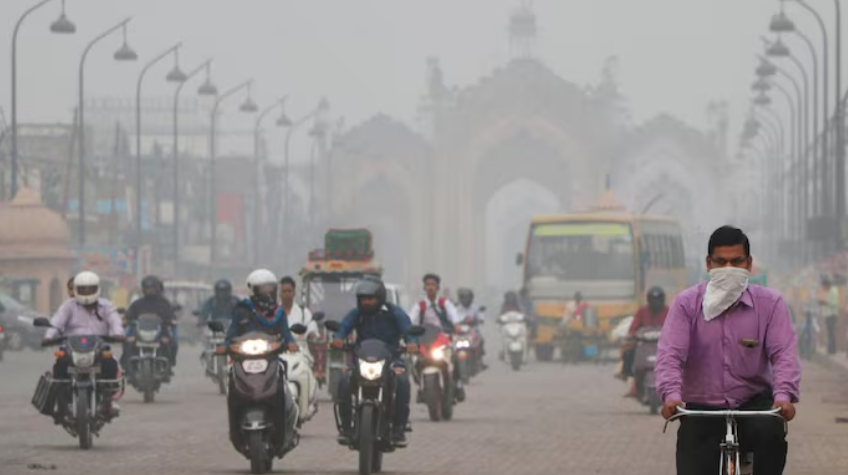
India’s Uttar Pradesh government has called for rapid execution of the Uttar Pradesh Clean Air Management Project (UPCAMP), a flagship initiative supported by the World Bank to improve urban air quality and catalyze sustainable economic outcomes. On February 18, 2026, Uttar Pradesh’s Minister of State for Environment, Forest and Climate Change, AK Saxena, led a high-level review meeting with state officials focusing on implementation bottlenecks and timelines for this major environmental intervention.
The UPCAMP aims to reduce air pollution across key urban centres in Uttar Pradesh by strengthening institutional capacity, deploying modern monitoring infrastructure, and promoting clean mobility solutions. Saxena underscored the urgency of speedy project roll-out to protect public health and environmental quality. This directive followed formal approval from the World Bank in December 2025, marking the project’s transition from planning to execution.
State officials reviewed progress on preparatory activities, including baseline air quality assessments and stakeholder consultations. The UPCAMP CEO, B Chandrakala, presented the project’s milestones, detailing key components such as capacity building, green workforce development, and technology deployment strategies. She highlighted early achievements in engaging local bodies and private sector partners to support sustainable interventions under the project’s framework.
A significant element of the discussion focused on formalising a tripartite agreement between the World Bank, the Uttar Pradesh government, and the Government of India. The state has already forwarded its request to the central government to finalise this agreement, which is essential for unlocking financing and technical support. The tripartite pact will define roles, milestones, and financing conditions governing project execution.
The UPCAMP is designed to generate green jobs and build long-term environmental resilience in Uttar Pradesh, aligning with India’s broader goals of sustainable development and climate adaptation. By promoting cleaner technologies and workforce training, the project reinforces sustainable economic growth while addressing critical public health concerns caused by air pollution.
Implementation timelines hinge on formal approvals and administrative readiness across participating municipalities. Once the tripartite agreement is signed, field activities such as the installation of air quality sensors, stakeholder training sessions, and pilot clean mobility initiatives are expected to commence swiftly.
Strategic significance lies in the UPCAMP’s potential to transform air quality governance in one of India’s most populous states. Accelerated implementation will support compliance with national air quality standards, stimulate demand for green skills, and create a replicable model for other states seeking to integrate environmental quality with sustainable growth frameworks. The emphasis on governance, workforce development, and measurable outcomes reflects a shift toward systematic environmental risk mitigation and sustainable economic planning in India’s subnational ESG landscape.