
Biodiversity Governance and Community Engagement — ESG BROADCAST shares key takeaways.
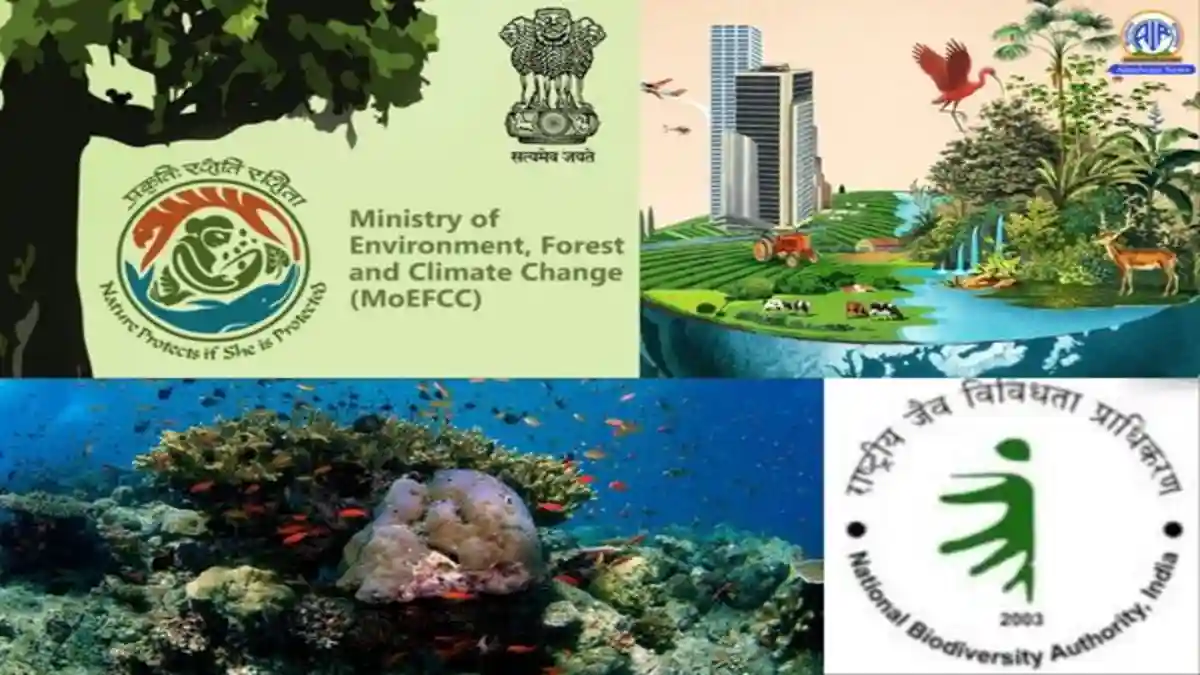
India has launched a major five-year biodiversity initiative aimed at strengthening grassroots conservation and governance through community-led approaches. The project, titled “Strengthening Institutional Capacities for Securing Biodiversity Conservation Commitments,” has been introduced by the Ministry of Environment, Forest and Climate Change (MoEFCC) in collaboration with the National Biodiversity Authority (NBA), with support from the Global Environment Facility (GEF) and the United Nations Development Programme (UNDP). The program will run from 2025 to 2030 with a funding allocation of USD 4.88 million.
The initiative focuses on integrating biodiversity considerations into local governance frameworks, particularly through the greening of Gram Panchayat Development Plans (GPDPs). By embedding biodiversity priorities into decentralized planning processes, the project aims to empower Panchayati Raj Institutions (PRIs) and Biodiversity Management Committees (BMCs) to play a more active role in conservation. This bottom-up approach reflects a shift toward localized decision-making in environmental governance.
Geographically, the project targets two ecologically significant landscapes. In Tamil Nadu, the Sathyamangalam landscape linking the Western and Eastern Ghats will serve as a model for integrating conservation into forest-fringe community planning. In Meghalaya, the Garo Hills region, including the Nokrek Biosphere Reserve and Balpakram National Park, will focus on community-led conservation through Village Employment Councils. These regions have been selected for their biodiversity richness and strong community engagement potential.
A central objective of the program is to create multi-stakeholder platforms that bring together forest departments, local governments, civil society, and community representatives. These platforms will support the development of community-owned biodiversity plans backed by financial resources. The initiative also promotes innovative financing mechanisms, including Access and Benefit Sharing (ABS) arrangements, CSR co-financing, and green micro-enterprises, linking conservation outcomes with sustainable livelihoods.
The project places strong emphasis on capacity building and knowledge management. It aims to systematically document best practices and innovations from pilot landscapes and scale them nationally through MoEFCC and NBA frameworks. A key inclusion is the targeted empowerment of women, Scheduled Castes, and tribal communities, ensuring equitable participation in biodiversity governance and economic benefits from conservation activities.
Importantly, the initiative aligns with multiple national and global frameworks, including India’s Updated National Biodiversity Strategy and Action Plan (NBSAP 2024-2030), the Kunming-Montreal Global Biodiversity Framework’s 30×30 target, and India’s Nationally Determined Contributions (NDCs) under the Paris Agreement. The program adopts a “whole-of-government” and “whole-of-society” approach to ensure cross-sectoral collaboration and long-term sustainability.
Strategic significance lies in India’s move of community-driven biodiversity governance through structured financing, decentralized planning, and inclusive participation. This initiative strengthens the integration of natural capital into local development planning while creating economic incentives for conservation. For ESG stakeholders, it signals a growing emphasis on biodiversity-linked compliance, community engagement, and sustainable livelihood models as critical components of long-term environmental and social risk management.
Image Credit: Newsonair