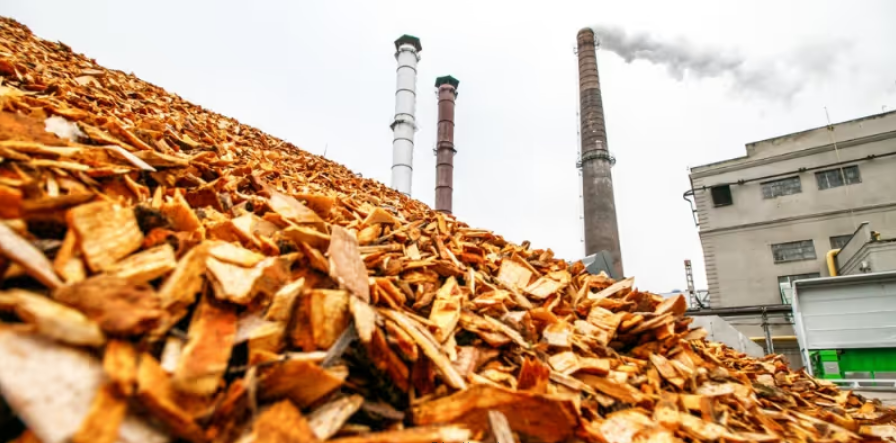
Bioenergy transition and Sustainable Agriculture accelerate as Circular Economy scales nationwide as ESG BROADCAST shares key takeaways.
India has intensified its circular economy push in agriculture by targeting 18,000 MW of biomass-based power generation capacity. The government has positioned agricultural residue as a strategic energy resource rather than waste. This circular economy strategy integrates crop residue management, decentralized energy production, and rural income diversification under a unified clean energy framework.
The Ministry of New and Renewable Energy (MNRE) leads the implementation, aligning biomass expansion with India’s broader renewable energy roadmap. The 18,000 MW target includes bagasse-based cogeneration, non-bagasse biomass power projects, and waste-to-energy initiatives. Policymakers aim to reduce stubble burning while simultaneously strengthening energy security. The circular economy approach transforms agricultural by-products into reliable baseload power.
India currently operates several biomass and cogeneration projects across sugar-producing states such as Uttar Pradesh, Maharashtra, and Karnataka. The expanded target builds on existing schemes like the National Bioenergy Programme. Financial incentives, viability gap funding, and streamlined project approvals support faster capacity addition. Developers can access central financial assistance for new plants and modernization projects, improving investment viability.
The circular economy model also addresses air pollution caused by crop residue burning in northern India. By formalizing biomass aggregation and supply chains, authorities aim to create structured markets for agricultural waste. Farmer producer organizations and rural cooperatives play a critical role in feedstock collection and supply assurance. This framework increases farmer income while reducing environmental externalities.
India’s clean energy transition gains additional resilience through biomass power. Unlike solar and wind, biomass provides firm and dispatchable electricity. This reliability strengthens grid stability and supports renewable energy integration. The circular economy strategy also contributes to India’s climate commitments under its Nationally Determined Contributions (NDCs), reducing greenhouse gas emissions from open burning and fossil fuel displacement.
State governments will coordinate with distribution companies (DISCOMs) to ensure power procurement agreements and tariff clarity. Regulatory frameworks under state electricity commissions will guide feed-in tariffs and long-term power purchase agreements. Clear policy signals reduce investor risk and encourage private participation in biomass infrastructure.
Strategic significance lies in India embedding the circular economy within its agricultural and energy systems to unlock compliance, climate, and commercial gains. The 18,000 MW biomass power target strengthens renewable capacity while supporting rural livelihoods and air quality improvement. For businesses, this shift opens opportunities in bioenergy technology, supply chain logistics, carbon markets, and ESG-aligned investments.