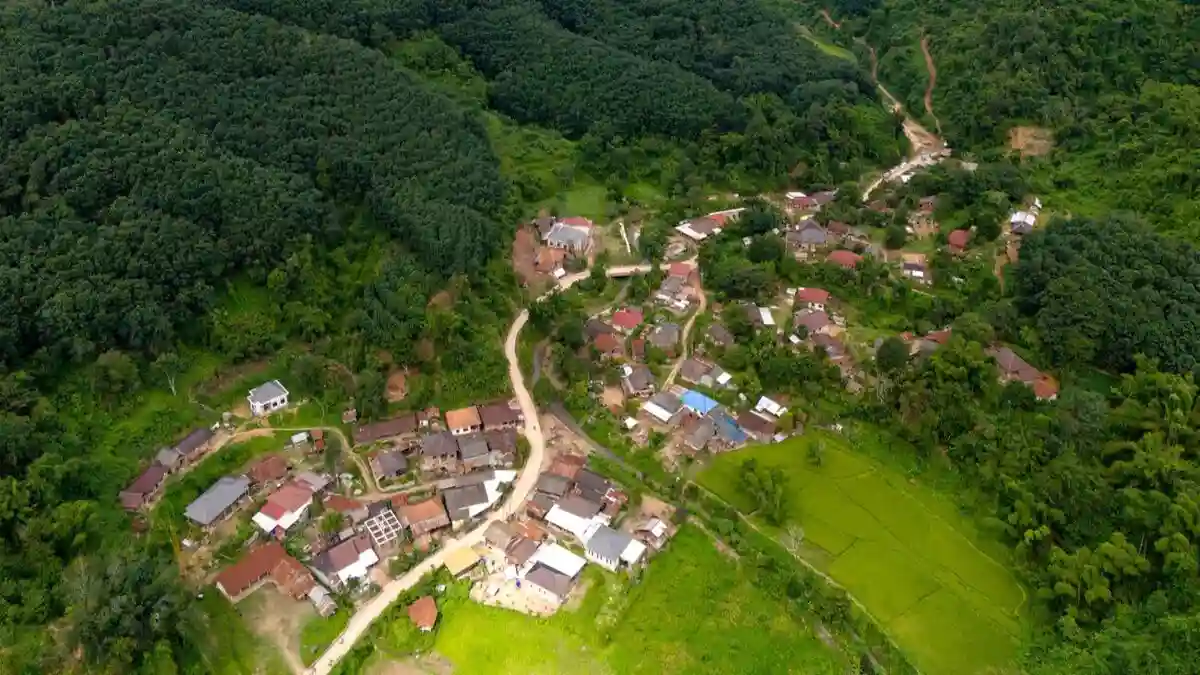
Nature-Based Solutions and Sustainable Forest Management: ESG BROADCAST shares key takeaways.
The Asian Development Bank (ADB) released a comprehensive insight into the critical role of forest ecosystems in achieving climate and biodiversity targets across Asia and the Pacific. Despite hosting some of the world’s most diverse tropical forests, the region continues to experience significant forest loss due to agricultural expansion and infrastructure development. The report highlights that protecting and restoring these natural assets is essential for sequestering carbon and maintaining the ecosystem services that support millions of livelihoods. By integrating forest conservation into national climate strategies, regional governments can address the dual crises of global warming and species extinction.
The strategic framework focuses on enhancing nature-based solutions through increased public and private sector investment. Implementing bodies are urged to adopt the “Forest Landscape Restoration” approach, which emphasizes the recovery of ecological functionality across degraded landscapes. This involves a shift from simple monoculture tree planting to complex, biodiverse reforestation that improves soil health and water regulation. The ADB outlines that these efforts are particularly effective when they incorporate the traditional knowledge of Indigenous peoples and local communities, who act as the primary stewards of forest resources.
Financial mechanisms are identified as a primary driver for scaling up forest protection. The report advocates for the expansion of high-integrity carbon markets and the use of “Debt-for-Nature” swaps to provide the necessary capital for long-term conservation projects. For the private sector, the applicability of these insights lies in the emerging Taskforce on Nature-related Financial Disclosures (TNFD) framework. Companies operating in the region must increasingly account for their “nature footprint” and mitigate risks associated with deforestation in their value chains to maintain access to sustainable finance and international markets.
Regional cooperation remains vital for the success of transboundary forest conservation initiatives. The ADB suggests that standardized monitoring and reporting systems using satellite technology can improve the transparency and verification of forest-related data. These technological advancements enable better enforcement of anti-deforestation laws and help track progress toward the Kunming-Montreal Global Biodiversity Framework targets. Strengthening institutional capacity at the local level ensures that policy objectives are translated into measurable on-the-ground outcomes, such as increased canopy cover and protected habitat corridors for endangered species.
Strategic significance lies in the recognition of forest conservation as a non-negotiable component of regional economic resilience. For businesses and policymakers, the transition toward nature-positive investment models is essential to hedge against the physical risks of climate change, such as landslides and floods. Ensuring that forest protection is financially viable through carbon credits or green subsidies will determine the success of the region’s net-zero pathways. Organizations that proactively align their operations with forest restoration goals will be better positioned to navigate the tightening regulatory landscape around biodiversity loss and natural capital management.
Image Credit: Asian Development Bank (ADB)