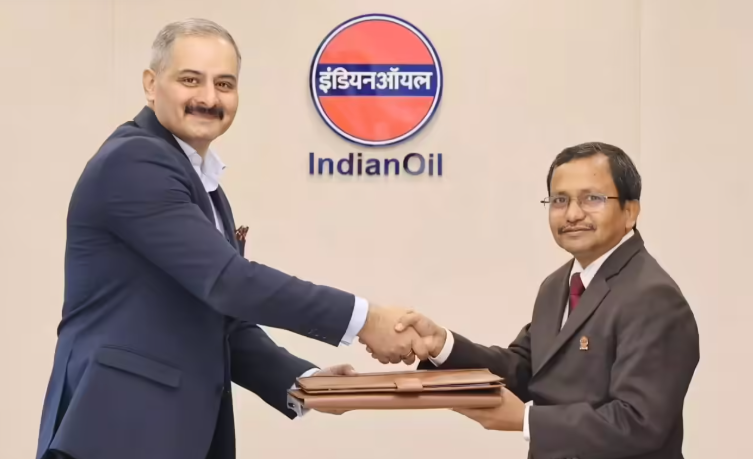
India has taken a significant step toward strengthening its circular economy framework as Indian Oil Corporation (IOC) signed a Memorandum of Understanding (MoU) with Re Sustainability Limited to build a nationwide used oil recycling ecosystem. The collaboration focuses on developing an organized system for the collection, aggregation, and re-refining of used oil, which remains a critical but under-regulated waste stream in India’s industrial and automotive sectors.
The initiative aligns with India’s broader push toward sustainable waste management and resource efficiency. Used oil, if improperly disposed of, poses severe environmental and health risks due to contamination of soil and water. Through this partnership, Indian Oil aims to leverage its extensive fuel retail network to create collection points, while Re Sustainability will bring technical expertise in waste management, recycling infrastructure, and compliance systems.
The agreement outlines a phased approach, starting with pilot projects across key regions, followed by nationwide scaling. The partners plan to establish collection mechanisms, logistics systems, and advanced re-refining facilities that convert used oil into base oils and other valuable petroleum products. This approach not only reduces environmental hazards but also decreases dependence on virgin crude resources, reinforcing circular economy principles.
The initiative also aligns with evolving regulatory frameworks under India’s Extended Producer Responsibility (EPR) norms for used oil management. Regulatory bodies such as the Central Pollution Control Board (CPCB) have been tightening compliance requirements, pushing industries toward responsible disposal and recycling practices. The partnership positions Indian Oil as a proactive player in meeting these regulatory expectations while enabling downstream stakeholders to participate in compliant waste management systems.
From an ESG standpoint, the collaboration directly addresses environmental risk mitigation and resource optimization. It supports Scope 3 emission reduction strategies by promoting reuse and recycling within the oil value chain. Additionally, it enhances traceability and transparency in waste handling, which are critical metrics for ESG reporting and investor scrutiny. By formalizing the used oil ecosystem, the initiative can also generate green jobs and strengthen local waste management economies.
Strategic significance lies in the creation of a scalable circular economy model that integrates compliance, infrastructure, and industry participation. Businesses operating in automotive, manufacturing, and energy sectors must align with emerging EPR regulations, making partnerships like this essential for compliance readiness. The initiative also opens new market opportunities in re-refined oil products while reducing environmental liabilities, positioning India as a leader in sustainable waste management within the oil and gas sector.