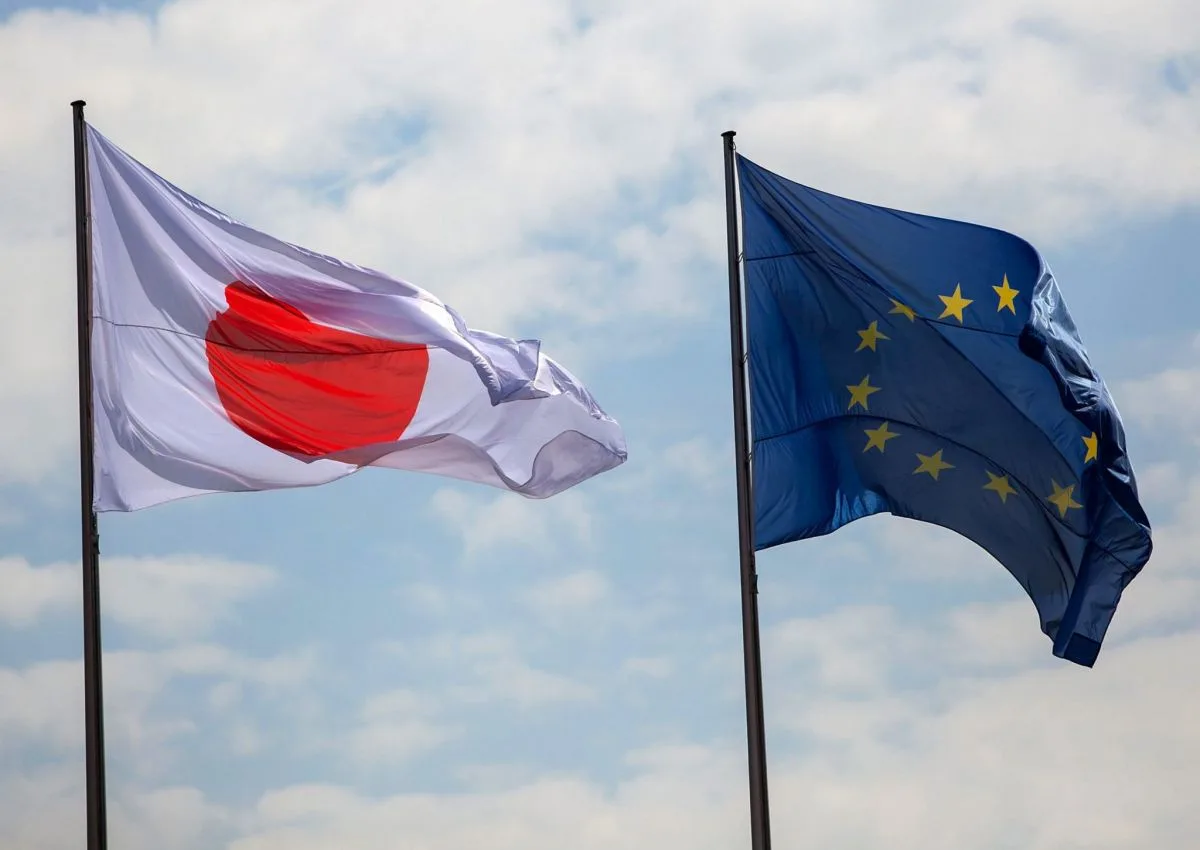
The European Union and Japan have reinforced their climate alliance to accelerate progress toward net-zero emissions while strengthening energy security amid global geopolitical and energy market uncertainties. This renewed partnership reflects a strategic alignment between two major economies committed to advancing the climate transition through coordinated policy frameworks, technological cooperation, and sustainable investment flows. The climate alliance builds upon existing bilateral agreements and signals a deeper integration of climate and energy priorities across regions.
The development comes at a time when both the EU and Japan face mounting pressure to diversify energy sources and reduce reliance on fossil fuels. The climate alliance focuses on scaling renewable energy deployment, advancing hydrogen ecosystems, and enhancing grid resilience. Policymakers from both regions have emphasized the importance of joint innovation in clean technologies, particularly in offshore wind, battery storage, and low-carbon fuels. This coordinated approach aims to accelerate the climate transition while ensuring stable and secure energy systems.
A key component of the climate alliance includes collaboration on regulatory frameworks and standards that support decarbonization. The EU and Japan intend to align carbon pricing mechanisms, sustainable finance taxonomies, and disclosure requirements to create a more predictable investment environment. This alignment is expected to mobilize private capital toward climate transition projects and reduce fragmentation in global ESG compliance standards. The climate alliance also promotes knowledge sharing and capacity building across industries and institutions.
In addition to policy coordination, the climate alliance prioritizes supply chain resilience for critical clean energy materials. Both regions aim to reduce vulnerabilities by diversifying sourcing strategies and investing in recycling and circular economy practices. This initiative addresses growing concerns over resource security in the context of the global energy transition. By integrating sustainability into supply chains, the climate alliance supports long-term environmental and economic stability.
The partnership further extends to international climate diplomacy, where the EU and Japan plan to jointly advocate for stronger global commitments under multilateral frameworks. Their collaboration seeks to influence emerging economies and global markets to adopt more ambitious climate targets. The climate alliance reinforces their leadership roles in shaping global climate governance and accelerating collective action.
Strategic significance lies in the climate alliance’s ability to harmonize regulatory standards, unlock sustainable finance, and reduce energy vulnerabilities across two major economic blocs. For businesses, this translates into clearer compliance pathways, increased investment opportunities in clean technologies, and stronger incentives to align with global net-zero frameworks. The climate alliance also signals a shift toward integrated ESG strategies, where energy security and decarbonization objectives converge to shape future market dynamics.