Biodiversity Conservation and Access and Benefit Sharing — ESG BROADCAST shares key takeaways.
India has emerged as a global leader in issuing Internationally Recognized Certificates of Compliance (IRCCs) under the Nagoya Protocol on Access and Benefit-sharing, marking a significant milestone in biodiversity governance and ESG compliance. According to the latest update released by the Press Information Bureau, India accounts for over 56% of all IRCCs issued globally, with 3,561 certificates out of a total of 6,311.
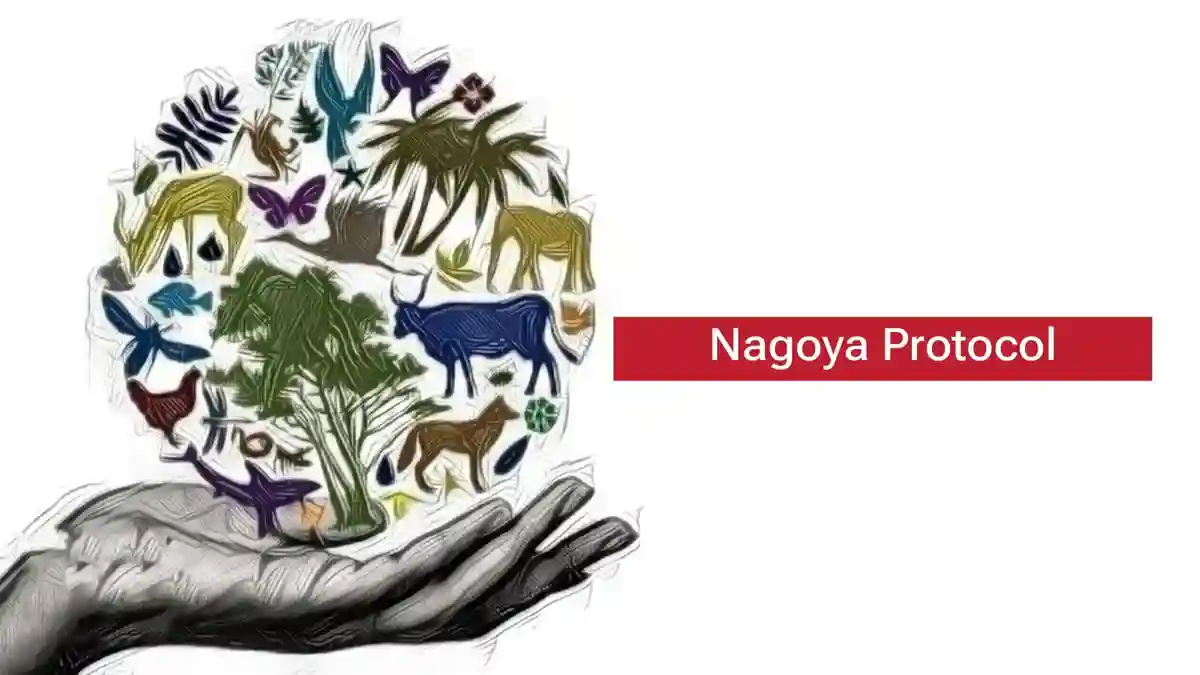
The Nagoya Protocol requires countries to ensure fair and equitable sharing of benefits arising from the use of genetic resources and associated traditional knowledge. IRCCs serve as official proof that users have obtained Prior Informed Consent and established Mutually Agreed Terms with resource providers. These certificates are uploaded to the Access and Benefit-Sharing Clearing-House, ensuring transparency and traceability in the use of biological resources.
India’s leadership becomes more significant when viewed in a global context. Out of 142 countries registered on the ABS Clearing-House platform, only 34 have issued IRCCs. India leads by a wide margin, followed by countries such as France, Spain, Argentina, Panama, and Kenya. This performance highlights India’s proactive approach in implementing international biodiversity agreements and strengthening ESG-aligned regulatory frameworks.
The country’s success stems from a robust domestic institutional framework anchored in the Biological Diversity Act, 2002. Implementation occurs through a three-tier governance structure led by the National Biodiversity Authority at the central level, supported by State Biodiversity Boards and Biodiversity Management Committees at the local level. Streamlined procedures and institutional coordination have enabled efficient processing of applications and issuance of compliance certificates.
IRCCs play a critical role in tracking the lifecycle of genetic resources, from research and innovation to commercial use. This mechanism ensures that benefits whether monetary or non-monetary are fairly shared with provider countries and local communities. It also strengthens safeguards against biopiracy and unauthorized exploitation of biodiversity, aligning with global ESG priorities around environmental protection and social equity.
India’s performance also reflects its broader commitment to global biodiversity goals and sustainable development. By operationalizing Access and Benefit Sharing (ABS) frameworks effectively, the country enhances accountability and builds trust among international stakeholders, researchers, and investors engaged in bio-resource utilization.
The development holds increasing relevance for ESG-focused investors and companies involved in pharmaceuticals, biotechnology, agriculture, and natural resource-based industries. Compliance with ABS requirements and IRCC issuance is becoming a critical component of environmental and social due diligence in global supply chains.
Strategic significance lies in India’s ability to set a global benchmark for biodiversity governance through scalable and transparent compliance mechanisms. Strong IRCC issuance not only reinforces ESG credibility but also creates a structured pathway for equitable benefit-sharing, positioning India as a leader in sustainable bioeconomy practices and regulatory innovation.
Image Credit: Gokulam Seek IAS