Extended Producer Responsibility and Plastic Waste Management: ESG BROADCAST shares key takeaways.
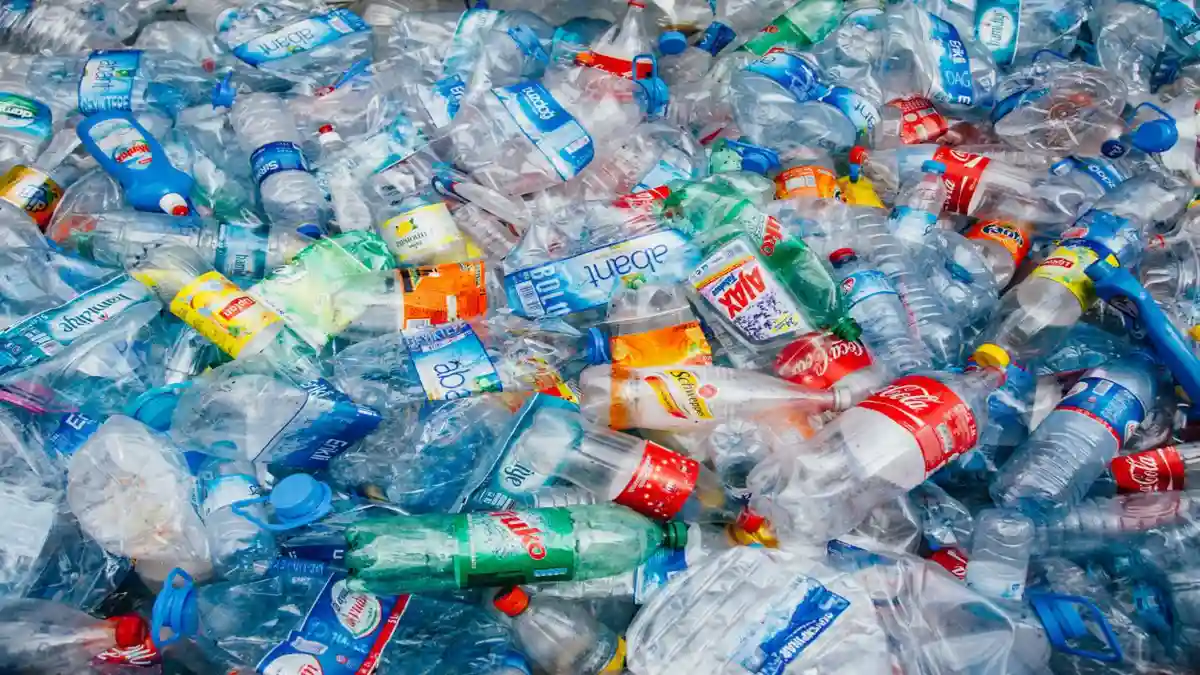
The Ministry of Environment, Forest and Climate Change has officially notified the Plastic Waste Management (Amendment) Rules, 2026, following a comprehensive public consultation process initiated in June 2025. Published in the Gazette of India on March 31, 2026, these amendments introduce more rigorous oversight mechanisms for Extended Producer Responsibility (EPR) obligations. The primary objective is to enhance the transparency and accountability of plastic waste recycling and processing by integrating independent verification protocols. These rules apply to all producers, importers, and brand owners (PIBOs), as well as plastic waste processors operating within the Indian market.
A significant structural change introduced in this notification is the formal inclusion of “Registered Environment Auditors” into the compliance framework. Previously, the verification of EPR certificates and the audit of waste processing facilities were primarily managed through designated government agencies. The amended rules now allow for these critical environmental audits to be conducted by Registered Environment Auditors, thereby expanding the capacity for rigorous third-party verification. This move is expected to curb the circulation of fraudulent EPR certificates and ensure that the reported quantities of recycled plastic reflect actual ground-level environmental outcomes.
The 2026 amendment also provides a detailed roadmap for addressing unfulfilled EPR targets from previous years. The rules mandate that any carried-forward unfulfilled targets must be fulfilled in a phased manner over a three-year period. Specifically, the notification requires that at least one-third of the unfulfilled target be addressed in each subsequent year until complete compliance is achieved. This ensures that environmental debt is systematically liquidated rather than being indefinitely deferred. This provision strengthens the “Polluter Pays Principle” by ensuring that temporary operational hurdles do not become permanent exemptions from environmental responsibility.
Furthermore, the amendment clarifies the reporting requirements for “Pre-consumer plastic waste,” ensuring that industrial plastic scrap is managed with the same level of scrutiny as post-consumer waste. The Central Pollution Control Board (CPCB) remains the primary implementing body, tasked with maintaining the centralized online portal for EPR registration and certificate trading. By digitizing the tracking of plastic waste from the point of generation to final disposal, the government aims to create a closed-loop system that supports India’s broader circular economy objectives and reduces the leakage of plastics into the marine and terrestrial environment.
Strategic significance lies in environmental auditing as a core component of corporate compliance in India. For businesses, the move toward third-party auditing by Registered Environment Auditors implies a need for higher data accuracy and more robust internal documentation. Compliance is no longer a self-declaration exercise but a verified financial and environmental obligation. For the market, these rules will likely stabilize the EPR certificate trading ecosystem by increasing trust in the underlying data. Ultimately, this amendment reinforces India’s commitment to tackling plastic pollution through a market-based, yet strictly regulated, circular economy framework.
Image Credit: EQUO Vietnam