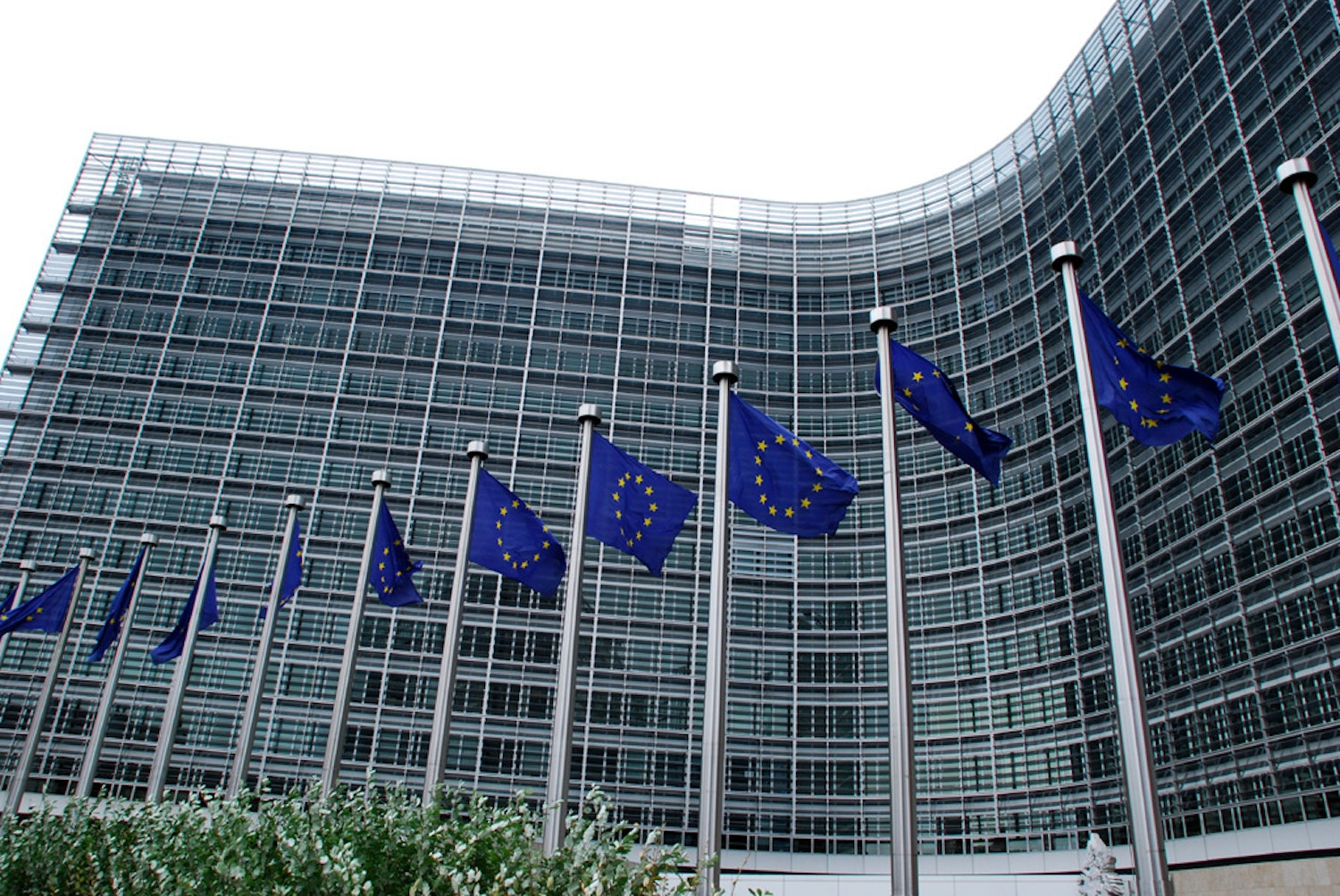
The EU Commission is taking legal steps against 11 Member States, calling on them to step up the implementation of the Single-Use Plastics Directive to reduce the impact of certain plastic products on the environment and human health. Belgium, Denmark, Estonia, Ireland, France, Croatia, Latvia, Poland, Portugal, Slovenia, and Finland – have not communicated to the Commission the measures necessary to ensure the complete transposition of the Directive.
Single-use plastic products are accumulating in our seas, oceans, and beaches. They are more likely to end up in our waters than reusable options because they are used only once or for a short period before being thrown away. While plastics are a convenient, practical and valuable material, littered plastics cause environmental damage and negatively impact our economy. More than 80% of marine litter items are plastics, causing damage to the environment, directly harming marine life and birds, and when dissolved into microplastics, can also enter the human food chain. The negative impact of littered plastics on the economy is seen in the tourism, fisheries and shipping sectors.
Under the European Green Deal, the Commission has proposed policies and actions toward a circular economy, where plastics are used more sustainably, reused and recycled, diminishing waste and pollution, and reducing cleaning costs. The Single-Use Plastics Directive is an essential element of the Commission’s Plastics Strategy and the Circular Economy Action Plan as it stimulates the production and use of sustainable alternatives that avoid marine litter. The Directive also contributes to the zero-pollution ambition of the EU, benefiting public health, the environment and climate neutrality. It aims at reducing plastic litter at sea by at least 50% by 2030.
Enforcing the Single-Use Plastics Directive
The Directive entered into force on 3 July 2019, and the Member States had two years to transpose the legislation into national law so that the obligations under the Directive start being implemented on the ground. However, not all Member States transposed the Directive by the set deadline.
Suppose a Member State fails to introduce measures that fully incorporate into national law the provisions of an EU directive by its transposition deadline. In that case, citizens cannot reap the benefits and rights stemming from it.
In January 2022, the Commission launched infringement procedures and sent, as a first step, letters of formal notice to 16 Member States that had not yet fully transposed the Single-Use Plastics Directive into national law. Out of these 16 cases, one case (Spain) was closed during the July infringements package, and four other cases are being closed today (Cyprus, Lithuania, Luxembourg and Slovakia) because the necessary measures have been taken. Two cases are pending the analysis of measures transmitted (Czechia and Malta). However, complete transposition measures are still missing for Belgium, Estonia, Ireland, Croatia, Latvia, Poland, Portugal, Slovenia, and Finland, and the Commission decided to issue reasoned opinions to those countries. The Member States concerned now have two months to respond and take the necessary measures. Otherwise, the Commission may decide to refer the cases to the Court of Justice of the European Union with a proposal to impose financial sanctions.
In addition, Denmark and France had initially indicated that their transposition was complete, but after analysis, the Commission found that some provisions were missing. The Commission has, therefore, also decided to send letters of formal notice to those two Member States. Denmark and France now have two months to reply and remedy the situation. Otherwise, the Commission may decide to issue a reasoned opinion.
Background
Today’s enforcement action by the Commission aims to protect citizens and the environment from plastic pollution whilst fostering growth and innovation. It supports the transition to a more sustainable and circular economy, and helps place Europe’s businesses and consumers ahead as a world leader in producing and using sustainable alternatives that avoid marine litter and ocean pollution, tackling a problem with global implications.
Key measures that the Member States must take under the Single-Use Plastics Directive are to:
- Prevent single-use plastic products from being placed on the market when sustainable alternatives are easily available and affordable. This applies to the ten single-use plastic waste items most often found on Europe’s beaches: cotton bud sticks, cutlery, plates, straws and stirrers, balloons and sticks for balloons, food containers, cups for beverages, beverage containers, cigarette butts, plastic bags, packets and wrappers, wet wipes and sanitary items. Together with fishing gear, they account for 70% of all marine litter in the EU.
- Reduce the consumption of food containers and cups for beverages and promote reusable alternatives.
- Establish Extended Producer Responsibility Schemes for single-use plastic products. This will ensure that producers cover the costs of waste collection, data gathering and reporting and cleaning up the litter resulting from those products.
- Collect 90% of single-use plastic beverage bottles by 2029, for example, through deposit refund schemes. In addition, product design requirements apply: beverage bottles must contain minimum amounts of recycled plastic, and the caps and lids of beverage containers must remain attached to their bodies.
- Introduce labelling requirements for single-use cups, sanitary products and tobacco products. To avoid the negative impact of littering, the public must be informed about the presence of plastic in the product and be advised on proper disposal.
- Producers of fishing gear containing plastics will be required to cover waste collection costs from port reception facilities and their transport and treatment. They will also cover the costs of awareness-raising measures.
Specific targets set by the Directive:
- 77% of plastic bottles should be collected separately by 2025 – increasing to 90% by 2029.
- 25% of recycled plastic should be incorporated in PET beverage bottles by 2025 and 30% in all bottles by 2030.
Enshrined in the EU treaties, the infringement procedure provides that the Commission may take legal action against the Member States. They fail to ensure the timely and accurate transposition of Directives into their national legislation.
Environmental rules are established to avoid harmful effects on human health and the environment and reflect the latest health and technical evidence. Poor implementation of environmental law and policies has environmental, economic and social costs for society and creates an unequal playing field for economic operators.
Source: EU